Exclusive to VIPs are various perks, including special bonus codes, quicker customer support, invitations to unique tournaments, and other distinctive offers. While searching for LoneStar bonus codes for current players — you’ll find that few codes are necessary for bonus play, yet numerous bonuses are accessible to players. Be sure to visit LoneStar Casino whenever you feel like enjoying hundreds of fantastic casino games for free. Read more
Always make sure to read the terms and conditions of the bonus so you know exactly what’s required to enjoy the full benefits of the offer. However, keep in mind that no deposit bonuses usually have wagering requirements which must be fulfilled before withdrawing any winnings. If the idea of trying out an online casino without risking your own money sounds appealing, then no deposit bonuses are the perfect option for you. Read more
https://colegiodelcaribe.com/wp-content/uploads/2024/01/logo-300x281.png00camarahttps://colegiodelcaribe.com/wp-content/uploads/2024/01/logo-300x281.pngcamara2026-07-31 03:50:022026-08-03 03:51:432026 new vegas casino free spins
Closed captions (CC) refer to subtitles in the available language with the addition of relevant non-dialogue information.
Support should ideally be offered around the clock with easy-to-locate contact details. UK players can also join in on live bingo in a selection of rooms, and there’s a Daily Wheel promo where you could win free spins prizes. It was easy to navigate the platform, with simple categories for each game type. Read more
https://colegiodelcaribe.com/wp-content/uploads/2024/01/logo-300x281.png00camarahttps://colegiodelcaribe.com/wp-content/uploads/2024/01/logo-300x281.pngcamara2026-07-31 03:49:342026-08-05 03:49:36Lucky TV review: Apple TV series should have been a movie
Geometry Dash Online: cómo jugar desde el navegador sin descargar nada
Muchos creen que Geometry Dash requiere descarga, pero Geometry Dash Online te permite jugar directamente desde el navegador sin instalar nada. Esta versión replica la esencia del juego original, donde controlas un cuadrado que debe saltar al ritmo de la música para evitar obstáculos. Su principal beneficio es la accesibilidad inmediata, ya que solo necesitas abrir el enlace y usar las flechas del teclado para empezar a saltar. Así, es una opción perfecta para probar el ritmo del juego sin compromisos desde cualquier computadora con internet.
Acceso directo al ritmo: cómo jugar Geometry Dash sin descargar nada
Para lograr un acceso directo al ritmo sin instalar nada, basta con abrir tu navegador y buscar plataformas que repliquen la experiencia de Geometry Dash online. Muchos sitios ofrecen clones o versiones basadas en la web que imitan la mecánica de saltar al compás de la música. Solo necesitas una conexión estable y un teclado para jugar al instante, sin esperar descargas ni registros. La clave está en encontrar un sitio que cargue rápido y sincronice bien el sonido con los obstáculos. Así, desde el navegador, te sumerges en el ritmo directamente, con la misma adrenalina que en el original, pero sin ocupar espacio en tu disco.
Plataformas compatibles para la versión navegador
La versión navegador de Geometry Dash es funcional en los principales sistemas operativos de escritorio. Se recomienda acceder desde Chrome o Firefox actualizados para garantizar la sincronización precisa del ritmo. Las plataformas compatibles incluyen Windows, macOS y Linux, siempre que el navegador soporte WebGL y audio de baja latencia. En dispositivos móviles, la experiencia se degrada por problemas de input táctil y rendimiento gráfico.
Windows 10/11 con Chrome 100+ o Edge basado en Chromium.
macOS Monterey o superior con Safari 15+ o Firefox.
Distribuciones Linux con Chrome o Firefox y aceleración gráfica habilitada.
Requisitos técnicos mínimos para que el juego fluya
Para que el juego fluya sin descargas, el navegador debe estar actualizado a su última versión, soportando tecnología WebGL y aceleración gráfica. Se requiere al https://geometry-dash.modilimitado.io/ menos 4 GB de RAM para evitar tirones en niveles complejos. Un procesador de doble núcleo a 2.0 GHz es esencial, y una conexión estable de 5 Mbps minimiza la latencia de respuesta. Sin estos elementos, las animaciones se entrecortan y el ritmo se pierde.
Navegador moderno, 4 GB de RAM, CPU dual-core a 2.0 GHz y 5 Mbps de conexión son la base técnica para que el juego fluya sin descargas.
Rendimiento en el navegador: ¿se pierde calidad o respuesta?
En Geometry Dash Online jugado desde el navegador, el rendimiento depende críticamente de la optimización del motor WebGL. No percibirás pérdida de calidad visual en niveles estándar, pero la respuesta en la jugabilidad puede degradarse en niveles de alta complejidad por la latencia de entrada y el framerate inconsistente. Un refresco de 60 Hz estable en el navegador no equivale automáticamente a la baja latencia de una versión nativa. Para minimizar microcortes, desactiva aceleración por hardware en el navegador solo si experimentas stuttering; prioriza una conexión estable y cierra pestañas pesadas.
Latencia y precisión en los controles táctiles y de teclado
La latencia en los controles táctiles es el talón de Aquiles al jugar desde el navegador, ya que la respuesta del panel puede retrasarse hasta 100 ms, lo que en niveles de alta velocidad resulta fatal. La precisión del teclado, en cambio, ofrece una entrada casi instantánea, pero depende del anti-ghosting del equipo. Para optimizar tu experiencia:
Usa teclado para saltos exactos, pues evita la deriva capacitivo táctil.
Configura la tasa de sondeo a 1000 Hz para minimizar el retardo entre pulsaciones.
Desactiva el zoom táctil en el navegador para que el input no se desplace erráticamente.
Sin embargo, la vibración del dedo sobre la pantalla introduce micro-errores que un teclado mecánico corrige al instante.
Comparativa de experiencia: versión descargable vs. online
La experiencia descargable vs. online en Geometry Dash muestra diferencias clave en la respuesta táctil. La versión descargable ofrece una sincronización impecable entre la pulsación y el salto, sin latencia perceptible. En el navegador, incluso con buena conexión, existe un ligero retardo que afecta a los niveles de precisión extrema. La fluidez gráfica también varía: el juego instalado mantiene 60 FPS estables, mientras que la versión online puede sufrir microtirones en secciones densas de objetos. Para el jugador casual la diferencia es mínima, pero para quien busca completar niveles demonio, la versión nativa sigue siendo superior.
Aspecto
Versión descargable
Versión online
Latencia de entrada
Nula (respuesta inmediata)
Ligera, perceptible en precisión
Estabilidad de FPS
60 FPS constantes
Fluctuaciones en niveles complejos
Experiencia en niveles demonio
Recomendada
No recomendada
Funcionalidades disponibles en la versión web gratuita
Al abrir Geometry Dash Online desde el navegador, la versión web gratuita te recibe con un menú reducido pero funcional. Justo ahí, sin descargar nada, puedes acceder a los niveles oficiales del juego base y enfrentarte al modo práctica, donde ensayas saltos sin miedo a perder. Lo interesante es que el editor de niveles también está disponible: creas tus propios mapas con bloques, spikes y portales, aunque limitado a pocos objetos. Para compartir tu obra o probar las creaciones de otros, la comunidad funciona a través de enlaces o códigos externos, porque el buscador de niveles online no está integrado. Así, con funcionalidades disponibles en la versión web gratuita, logras jugar, fallar y crear, pero el verdadero desafío es sortear sus límites sin suscripción.
Niveles oficiales y comunidad de creadores
Dentro de las funcionalidades de la versión web gratuita, los jugadores acceden a los niveles oficiales de Geometry Dash directamente desde el navegador, replicando la experiencia móvil sin descargas. La comunidad de creadores también opera aquí: el editor de niveles permite diseñar y publicar contenido personalizado. Aunque el límite de objetos es menor que en la versión de pago, los usuarios pueden explorar y probar niveles de otros creadores mediante el buscador integrado.
Los 21 niveles oficiales del modo clásico están disponibles para jugar sin restricciones.
El editor de niveles incluye bloques, plataformas y triggers básicos para diseños simples.
La comunidad comparte niveles a través de un sistema de etiquetas y calificaciones dentro del navegador.
Herramientas de edición y guardado de progreso
Dentro de la versión web gratuita, las herramientas de edición y guardado de progreso replican la funcionalidad esencial del editor de niveles de escritorio. El usuario puede colocar bloques, spikes y portales en una cuadrícula, ajustando su posición con precisión mediante arrastre. El guardado de progreso se ejecuta automáticamente en el almacenamiento local del navegador, vinculado a la sesión anónima del jugador. No existe sincronización en la nube ni sistema de cuentas para recuperar niveles en otro dispositivo. Si se borran los datos del navegador, se pierde todo el trabajo no exportado.
Permite editar niveles con capas de objetos, fondos y efectos de sonido básicos.
El guardado local se activa al cerrar el editor o al seleccionar “Guardar nivel”.
No hay opción de copia de seguridad remota ni historial de versiones.
El progreso en campañas predefinidas se registra automáticamente por cookie.
Pasos concretos para empezar a jugar desde Chrome o Firefox
Abres Chrome o Firefox y tecleas “Geometry Dash Online” en la barra de búsqueda. El primer enlace te lleva a un sitio espejo del juego, sin descargas. Haces clic en el botón verde “Play” y el navegador ejecuta el juego al instante. Ajustas el volumen con las flechas laterales, porque los picos de audio son brutales. Usas la barra espaciadora para saltar, pero en niveles rápidos el clic del ratón te da mejor control sobre los bloques. Si el sonido se desincroniza con los obstáculos, cierras las pestañas de redes sociales para que el procesador no se ahogue. Sin registro, sin extensiones, solo el navegador y los reflejos para esquivar púas en cada caída.
Enlaces verificados y cómo evitar páginas falsas
Para jugar Geometry Dash Online desde el navegador, solo deben usarse enlaces verificados extraídos directamente de la página oficial del desarrollador RobTop Games o de repositorios reconocidos como GitHub que alojen el port oficial. Evitar páginas falsas es crítico, ya que clones no verificados suelen inyectar scripts maliciosos o redirigir a casinos. Un indicador fiable es que la URL coincida exactamente con “geometry-dash-online.io” y nunca solicite descargar un ejecutable.
Comprueba que el dominio termine en “.io” oficial y no en “.xyz” o “.top”.
Rechaza cualquier sitio que pida permisos de notificaciones o descargar un archivo .exe.
Usa herramientas como VirusTotal para escanear enlaces sospechosos antes de hacer clic.
Solución a problemas comunes: carga lenta o audio desincronizado
Si el juego se traba o el audio se desincroniza, la causa suele ser la acumulación de datos en el caché del navegador. Para solucionarlo, limpia la memoria caché y las cookies del sitio en Chrome o Firefox. Cerrar pestañas pesadas y desactivar extensiones del navegador que consuman recursos también elimina la latencia. Ajusta la calidad del stream desde el propio reproductor del juego si la opción está disponible, priorizando el rendimiento sobre los gráficos.
Para evitar carga lenta y audio desincronizado, limpia el caché del navegador y desactiva extensiones pesadas en Chrome o Firefox.
Ventajas prácticas de usar la versión online frente a otras alternativas
La principal ventaja práctica de jugar Geometry Dash Online desde el navegador es el acceso instantáneo. No necesitas instalar nada ni descargar archivos pesados, lo que te permite saltar directo a los niveles desde cualquier computadora con internet. Esto es ideal si estás en un lugar público o en un equipo compartido. Otra ventaja clave es que la versión online elimina la necesidad de pagar por la aplicación completa para probar el juego, siendo perfecta para quienes quieren experimentar la dificultad rítmica sin compromiso. Además, al correr en el navegador, evitas problemas de compatibilidad con sistemas operativos antiguos, y los controles táctiles o de teclado se adaptan de inmediato sin configuración extra. En resumen, si buscas una partida rápida y sin complicaciones, la versión web es la opción más práctica frente a descargar apps o emuladores.
Ahorro de almacenamiento y portabilidad entre dispositivos
Al jugar Geometry Dash Online desde el navegador, el ahorro de almacenamiento local es inmediato: no necesitas descargar archivos ni ocupar espacio en el disco duro. Tu progreso y niveles creados se guardan en la nube, lo que te permite acceder a ellos desde cualquier ordenador o dispositivo con conexión a internet. Esta portabilidad entre dispositivos elimina la necesidad de llevar un USB o depender de un equipo específico, siendo ideal para jugar en clase, en un cibercafé o en una biblioteca sin configuraciones previas.
El ahorro de almacenamiento y la portabilidad entre dispositivos se logran al mantener todo en la nube, no en el hardware.
Actualizaciones automáticas sin intervención del usuario
En Geometry Dash Online, las actualizaciones automáticas sin intervención del usuario eliminan la necesidad de descargar manualmente parches o reemplazar archivos ejecutables. Al ejecutarse directamente desde el navegador, el servidor despliega nuevas versiones de niveles, correcciones de sincronización o ajustes en la física del personaje en segundo plano, sin interrumpir el juego activo. Esto garantiza que siempre accedas a la compilación más reciente del cliente web, evitando incompatibilidades con niveles creados por la comunidad o errores de renderizado que requerirían acciones técnicas por tu parte.
Understood. I am ready.
Understood.
https://colegiodelcaribe.com/wp-content/uploads/2024/01/logo-300x281.png00camarahttps://colegiodelcaribe.com/wp-content/uploads/2024/01/logo-300x281.pngcamara2026-07-31 03:46:292026-07-31 03:46:29Acceso directo al ritmo: cómo jugar Geometry Dash sin descargar nada
Watch out for warning signs like delayed payments (unresponsive customer support), or unclear bonus terms. Use strong, unique passwords and enable two-factor authentication where available. Compete for prizes (climb the leaderboards), and connect with other players in a friendly and exciting environment. These events offer unique prizes and the chance to showcase your skills. Compete against other players for a share of the prize pool by spinning selected slot games. Read more
https://colegiodelcaribe.com/wp-content/uploads/2024/01/logo-300x281.png00camarahttps://colegiodelcaribe.com/wp-content/uploads/2024/01/logo-300x281.pngcamara2026-07-31 03:44:522026-08-03 03:44:54Top Casinos golden crown Reviewed by Experts: The Best Online Casino Sites
The fresh Armour Shop particularly have two new services that could or may not be an improvement. There are some Quests indeed there we need go out on the oceans doing in any event, very there is absolutely no part of backtracking. For only the new purpose of obtaining it for simple reference, this is the complete Nautical Chart which have metropolitan areas.
I offer the full means here as well as stand-aside equipment you need to be using to your race on this webpage. Read more
https://colegiodelcaribe.com/wp-content/uploads/2024/01/logo-300x281.png00camarahttps://colegiodelcaribe.com/wp-content/uploads/2024/01/logo-300x281.pngcamara2026-07-31 03:16:382026-08-05 03:16:40Evaluate Greatest United kingdom Casinos
Verification cover anything from posting an enthusiastic ID cards or passport, a recently available domestic bill, or passage movies identity. It blend of regulation, selection of games and versatile repayments makes ValorBet a reliable destination for Indian users. ValorBet Local casino brings together more 1300 registered video game having a Curaçao certification legitimate up to 2025 giving Indian participants a secure and you can clear environment. Read more
https://colegiodelcaribe.com/wp-content/uploads/2024/01/logo-300x281.png00camarahttps://colegiodelcaribe.com/wp-content/uploads/2024/01/logo-300x281.pngcamara2026-07-31 03:14:002026-08-05 03:14:03Valor bet: Official Site for Online casino
Modern jackpots create an additional level from adventure, offering professionals the opportunity to win generous awards. In control playing devices is actually incorporated, and self-exception options and you can deposit restrictions. Having its quick cycles, pro handle, and you can public character, Aviator isn’t only a game — it’s an alternative way to play, hook, and you can winnings. Read more
https://colegiodelcaribe.com/wp-content/uploads/2024/01/logo-300x281.png00camarahttps://colegiodelcaribe.com/wp-content/uploads/2024/01/logo-300x281.pngcamara2026-07-31 03:12:542026-08-05 03:12:56Valor bet Aviator log in Your Casino, Today Cellular & Quicker
Peripheral Nerve Stimulation Devices in the US: The Proven Path to Targeted Pain Relief Without Opioids
Peripheral nerve stimulation devices US are small, wearable systems that deliver mild electrical pulses directly to targeted nerves to help manage pain. By interrupting pain signals before they reach the brain, these devices offer a non-drug, drug-free way to find relief for conditions like chronic back pain or neuropathy. Simply place the adhesive pads on your skin near the affected area, and the device quietly works in the background while you go about your day. This gentle, customizable approach empowers you to take control of discomfort without surgery or daily pills.
Understanding the Rise of Targeted Nerve Therapies in the United States
The rise of targeted nerve therapies in the United States stems from a paradigm shift toward **precision pain management**, moving beyond systemic drugs to intercept pain signals at their source. **Peripheral nerve stimulation devices US** have gained traction because they offer a reversible, non-opioid alternative for chronic conditions like post-surgical neuropathies. Unlike spinal cord stimulators, these systems place leads near specific nerves, enabling therapy that adapts to a patient’s movement rather than delivering blanket pulses. This growth is driven by clinical evidence showing superior functional outcomes when practitioners map the exact nerve pathway using ultrasound. Modern devices with closed-loop feedback adjust stimulation in real time, preventing habituation, a key failure of older technology. For patients, the practical win is fewer trial failures and a faster transition from diagnostic blocks to permanent implantation. As physicians master sonoanatomy, targeted nerve therapy becomes more accessible in outpatient clinics, making it a credible first-line interventional strategy.
How Electrical Neuromodulation is Shifting the Pain Management Paradigm
Electrical neuromodulation is shifting the pain management paradigm by replacing passive pharmacologic suppression with active, targeted neural regulation. Instead of masking pain centrally, these devices deliver precise electrical pulses to peripheral nerves, interrupting aberrant signals before they reach the spinal cord and brain. This approach allows patients to titrate therapy in real time, reducing reliance on systemic opioids and their sedating side effects. Crucially, this paradigm shift enables restorative neuroplastic changes, as sustained stimulation can recalibrate hyperexcitable nerve pathways over weeks, turning acute intervention into a durable, patient-controlled modality. The clinical focus moves from symptom palliation to correcting the underlying neural dysfunction, empowering users to resume daily function without constant medication cycles.
Key Differences Between PNS, Spinal Cord Stimulation, and Traditional Implants
Peripheral nerve stimulation (PNS) targets a specific named nerve with a thin lead placed directly at the site of pain, whereas spinal cord stimulation (SCS) redirects signals at the dorsal column of the spinal cord, creating a broad paresthesia over a larger region. Traditional implants, such as standard SCS or older paddle leads, require more invasive surgical placement and often involve a battery pocket in the buttock or abdomen. Key differences between PNS and spinal cord stimulation include PNS’s lack of paresthesia coverage, its ability to avoid epidural scarring, and its easier removal or revision. PNS also typically uses external or miniaturized power, while SCS traditionally relies on a larger implanted generator. For focal pain, PNS offers a less disruptive alternative than SCS or legacy systems.
PNS targets a single peripheral nerve; SCS modulates the entire spinal cord region.
PNS usually avoids epidural space, reducing risk of scar tissue; traditional implants enter the epidural space.
PNS often uses external or small rechargeable power; traditional implants require a larger implanted battery.
PNS is easily reversible with smaller incisions; SCS and paddle leads demand more complex extraction.
The Clinical Rationale: Why Peripheral Targets Are Gaining Traction
Peripheral targets are gaining traction because they offer a targeted alternative to central neuromodulation, avoiding the risks of spinal or brain procedures. Clinically, placing leads near a specific nerve allows for more precise interruption of nociceptive signals at their origin, rather than broadly modulating ascending pathways. This reduces off-target side effects like paresthesia in non-painful areas. Additionally, peripheral stimulation often requires less invasive placement, leading to faster recovery and fewer surgical complications in patients with focal pain syndromes such as occipital neuralgia or post-amputation pain. The rationale is straightforward: match the stimulation site to the anatomical source of pain, improving efficacy while minimizing systemic disruption.
Why are peripheral targets more clinically practical than central approaches? They permit trial stimulation under local anesthesia, allowing real-time patient feedback before permanent implantation, which improves patient selection and long-term adherence.
Regulatory Landscape and Market Access for Neuromodulation Technologies
For peripheral nerve stimulation (PNS) devices in the US, market access hinges on obtaining FDA clearance or approval, typically via the 510(k) pathway for moderate-risk devices or a De Novo request for novel technologies without a predicate. Reimbursement is the second critical gate, requiring a dedicated CPT code for PNS procedures; without this, coverage by private payers and Medicare remains inconsistent, forcing clinics to seek individual prior authorizations. Device manufacturers must also navigate facility-level credentialing protocols, as many hospitals restrict implantation to specialists with documented training, which can delay patient uptake. A common question is: *Do all PNS devices require a randomized controlled trial for FDA clearance?* No—most rely on non-inferiority or feasibility data against existing systems, but post-market surveillance obligations still apply once commercialized.
FDA Clearance Pathways: De Novo, 510(k), and Breakthrough Device Designations
For Peripheral nerve stimulation (PNS) devices in the US, the FDA clearance pathway dictates market entry speed and clinical evidence burden. Most low-to-moderate risk PNS systems qualify for the 510(k) pathway, requiring substantial equivalence to a legally marketed predicate device, often demonstrating similar stimulation parameters and delivery mechanisms. If no predicate exists—common for novel nerve targets or waveforms—manufacturers must pursue the De Novo classification process, creating a new device class and establishing risk-based special controls. Alternatively, devices addressing a life-threatening or irreparably debilitating condition may be granted Breakthrough Device Designation, enabling prioritized FDA review and interactive communication with the review team.
Identify whether a predicate PNS device exists; if yes, pursue 510(k) with comparative bench and animal data.
If no predicate exists, submit a De Novo request with a full safety and efficacy summary to establish new classification.
For serious conditions with unmet need, apply for Breakthrough designation to accelerate milestones like pre-submission meetings and PMA preparation.
Medicare and Private Payer Coverage Trends for Ambulatory Pain Procedures
When looking at Medicare and private payer coverage trends for ambulatory pain procedures, you’ll see a slow but real shift toward outpatient settings for peripheral nerve stimulation. Medicare now often bundles device costs into the procedure’s ambulatory payment classification, so your out-of-pocket depends on the facility’s contract rates. Private payers, meanwhile, are increasingly requiring prior authorization but also expanding coverage for same-day placements. Before booking, ask your clinic if they’ve confirmed your specific policy’s coverage—some plans still classify these as experimental. The key is verifying benefits upfront.
Always confirm if your plan covers peripheral nerve stimulation in an ambulatory surgery center versus a hospital outpatient department—rates differ sharply.
Medicare may cover a trial period only if your provider documents two weeks of conservative therapy first.
Private insurers often require a specific diagnosis code (like chronic surgical pain) to approve same-day procedures.
Ask about co-insurance for the device itself; some policies hit 20–30% of the total bundled payment.
Reimbursement Hurdles and Coding Updates Every US Provider Should Track
For peripheral nerve stimulation (PNS) devices, providers must track the shift from Category III to Category I CPT codes, as this transition alters coverage determinations and prior authorization requirements. A primary hurdle remains the inconsistency between commercial payers’ insistence on failed conservative therapy documentation and Medicare’s separate billing rules for implanted versus percutaneous leads. Tracking CPT code changes for PNS lead placement and removal is essential, since miscoding leads to denials or downcoding. Additionally, monitor modifier usage for bilateral procedures and the 90-day global period implications, which affect reimbursement timing and total claim value across multiple sessions.
Verify if the specific PNS device falls under ambulatory surgical center (ASC) payable codes, as Medicare’s ASC list updates quarterly.
Check for new HCPCS G-codes related to PNS programming services, which often require distinct diagnosis codes to support medical necessity.
Revalidate NPI and taxonomy alignment monthly, as payer systems reject claims when the rendering provider’s specialty code mismatches the PNS procedure code.
Leading Device Platforms and Their Distinctive Clinical Applications
In the US, leading peripheral nerve stimulation (PNS) platforms are defined by their targeted lead design and stimulation paradigms, each carving distinct clinical niches. The SPRINT system excels in percutaneous, leadless placement for acute post-operative or chronic focal pain, offering same-day placement without implanted pulse generators. Conversely, the Bioniq StimRouter delivers a precisely anchored lead for long-term peripheral nerve targeting, particularly effective in refractory neuropathic pain of the upper and lower extremities. The Nalu system differentiates itself through a fully external pulse generator with an implanted lead, enabling a less invasive profile while driving high-frequency stimulation for conditions like chronic back pain via dorsal root ganglion targets. Meanwhile, the StimQ PNS system prioritizes ultrasound-guided placement for rapid, non-surgical intervention in mononeuropathies.
Selection hinges on matching lead anchoring to the specific nerve’s mobility and the patient’s need for temporary vs. permanent implantation.
Clinical application centers on discreet, programmable relief for focal neuropathies, with platform choice directly dictating the procedural footprint and stimulation frequency used to achieve paresthesia-free relief.
Ultrasound-Guided Percutaneous Leads: A Minimally Invasive Approach
Ultrasound-guided percutaneous leads enable real-time, targeted placement of peripheral nerve stimulation electrodes without surgical incision, reducing procedure time and tissue trauma. By visualizing the target nerve and surrounding vasculature dynamically, clinicians can adjust lead trajectory during insertion, achieving optimal proximity to the nerve for selective paresthesia coverage. This minimally invasive approach permits same-day discharge and lowers infection risk compared to open implantation, while preserving the ability to trial stimulation before permanent anchoring. Patients retain mobility during the treatment period, and leads can be removed or repositioned with minimal tissue disruption, making repeat procedures feasible for chronic pain flares.
Direct sonographic visualization avoids radiation exposure and confirms lead tip-to-nerve distance http://www.thync.com in real time.
Immediate intraoperative stimulation feedback allows final lead position adjustments before securement.
Percutaneous technique supports staged therapy, from temporary screening to permanent implantation.
Wireless and Wearable Stimulators for Chronic Regional Pain Syndromes
For chronic regional pain syndromes, including complex regional pain syndrome (CRPS), wireless and wearable stimulators offer a distinct advantage over traditional systems by eliminating implanted leads and percutaneous extensions. These devices employ miniaturized electrodes that are placed near the targeted peripheral nerve, powered by an external wearable unit that transmits energy transdermally, thereby reducing infection risk and improving patient mobility. Programming is managed via a smartphone application, allowing for precise adjustment of stimulation parameters—such as pulse width and frequency—to match the fluctuating intensity of neuropathic pain throughout the day. A key practical benefit is the ability to perform on-demand dose titration without clinic visits, enabling patients to modulate therapy during acute flare-ups. The absence of a permanent implant also simplifies revision procedures, as the lead can be repositioned or removed percutaneously if symptom distribution shifts, which is particularly relevant for CRPS where allodynia and vasomotor changes evolve over time.
Cuff-Based Electrode Systems for Post-Surgical and Neuropathic Indications
Cuff-based electrode systems offer a unique, targeted approach for managing post-surgical and neuropathic pain by completely encircling a peripheral nerve. This design provides stable, circumferential contact, enabling precise, low-threshold stimulation that directly interrupts aberrant pain signals at their source. For patients with chronic post-operative neuralgia or traumatic nerve injuries, these systems are particularly effective where percutaneous leads fail due to scar tissue or lead migration. Circumferential neural engagement ensures consistent paresthesia coverage, often reducing the need for systemic opioids. The surgical implantation allows for direct visualization, secure anchoring, and long-term reliability, making them a robust option for complex, focal neuropathic conditions, though they require a more invasive procedure to place.
Ideal for dense scar tissue zones where other leads cannot maintain consistent output.
Provides full 360-degree nerve contact, minimizing paresthesia gaps during movement.
Offers durable, fixed placement in deep anatomical regions like the brachial plexus or tibial nerve.
High-Frequency vs. Low-Frequency Protocols: What the Evidence Supports
For peripheral nerve stimulation in the US, high-frequency protocols (10 kHz) demonstrate superior long-term pain relief for chronic axial back pain, with RCT evidence supporting sustained 12-month outcomes, whereas low-frequency (1–100 Hz) protocols show stronger acute efficacy for localized neuropathies. High-frequency stimulation preferentially targets dorsal root ganglia and wide-dynamic-range neurons, reducing central sensitization without paresthesia, making it unsuitable for conditions requiring sensory feedback for electrode placement. Low-frequency protocols rely on paresthesia coverage for precise targeting, with evidence favoring them in post-herpetic neuralgia and focal mononeuropathies, yet they suffer from tachyphylaxis over weeks. Comparative trials show high-frequency reduces opioid intake by 28% more than sham, while low-frequency produces faster onset but higher recharge burden.
Protocol
Evidence Strength
Optimal Indication
Key Limitation
High-frequency (10 kHz)
Strong for axial low back pain
Chronic widespread pain
No paresthesia mapping
Low-frequency (1–100 Hz)
Moderate for focal neuropathies
Occipital, post-herpetic neuralgia
Tachyphylaxis, recharge frequency
Patient Selection, Screening, and Real-World Outcomes in US Clinics
In US clinics, patient selection for peripheral nerve stimulation hinges on trialing candidates with focal neuropathic pain who have failed conservative therapy, while screening excludes those with widespread chronic pain syndromes or untreated coagulopathy. Real-world outcomes often show 50–70% pain reduction at six months, but success depends on rigorous psychological screening and a temporary percutaneous lead test before permanent implantation. Q: Why is screening so critical before implantation? A: Because real-world data shows that patients with unresolved psychosocial distress or secondary gain issues have drastically lower response durability, making the trial phase the strongest predictor of long-term utility in US practice.
Identifying Ideal Candidates: Failed Conservative Therapy and Psychosocial Readiness
Ideal candidates for peripheral nerve stimulation in US clinics have objectively failed conservative therapy—documented trials of physical therapy, oral medications, or injections lasting at least three months without meaningful relief. This failure must be confirmed through chart review and patient-reported outcomes, not merely subjective dissatisfaction. Equally critical is psychosocial readiness for peripheral nerve stimulation, assessed via screening for catastrophic thinking, untreated depression, or secondary gain, which predict poor device engagement. Candidates who understand realistic expectations, demonstrate active coping strategies, and commit to post-implant programming adhere better and report superior analgesia. Without both failed conservative care and verified psychological preparedness, early explant rates rise.
Require a documented 90-day conservative care trial before considering PNS.
Screen with validated tools like the PHQ-9 or PCS to rule out untreated mood disorders.
Confirm patient willingness to attend follow-up titration sessions—non-adherence predicts failure.
Exclude those seeking passive relief or with unresolved litigation affecting pain reporting.
Diagnostic Nerve Blocks and Predictive Trial Periods: Their Role in Success
In US clinics, the success of peripheral nerve stimulation hinges on rigorous pre-implantation screening, where diagnostic nerve blocks and predictive trial periods serve as the decisive gatekeepers. A positive block, though imperfect, provides initial confirmation that the targeted nerve drives the pain, yet it is the temporary percutaneous trial that truly forecasts long-term efficacy. By placing a lead and delivering stimulation for several days, clinicians observe functional changes, patient tolerance, and real-world pain relief before committing to a permanent implant. This staged approach dramatically reduces failed implants and avoids unnecessary surgery. Crucially, a negative trial is not a failure but a powerful filter, redirecting patients toward safer, more appropriate therapies while strengthening the credibility and success of PNS in clinical practice.
Tracking Long-Term Efficacy: Pain Scores, Opioid Reduction, and Functional Gains
Tracking long-term efficacy in US clinics hinges on systematically correlating opioid reduction with functional gains, not just transient pain scores. Clinicians should record numeric pain ratings at consistent intervals, but the decisive metric is whether decreased opioid intake aligns with improved objective outcomes like return-to-work status or range-of-motion milestones. A patient reporting a 30% pain drop while halving opioid use demonstrates durable benefit, whereas static pain scores with unchanged medication indicate poor device response. Functional gains must be quantified using standardized tools, such as the Oswestry Disability Index, to avoid placebo-driven variance. Longitudinal data dashboards allow clinics to identify non-responders early, adjusting stimulation parameters before abandoning therapy.
Pair weekly pain diaries with monthly opioid counts to detect dose-sparing effects.
Measure functional capacity via timed physical tasks at 3, 6, and 12 months.
Flag patients whose pain scores improve but opioid use remains flat for reassessment.
Managing Complications: Lead Migration, Infection Risk, and Explant Strategies
In US practice, managing complications begins with securing the percutaneous lead anchor site to minimize migration, which often presents as loss of paresthesia coverage or variable stimulation thresholds; fluoroscopic confirmation and strain-relief loops are essential. Infection risk is mitigated through strict sterile technique, chlorhexidine prep, and perioperative antibiotics, with early cellulitis treated aggressively and device explant reserved for deeper abscess or sepsis. Explant strategies prioritize complete lead removal via gentle traction, with surgical backup for fibrotic encapsulation, followed by wound irrigation and a七天 antibiotic course. Lead fracture from migration warrants immediate interrogation and replacement to prevent nerve damage.
Predictable outcomes hinge on vigilant lead fixation, rigorous infection protocols, and decisive, atraumatic explant pathways.
Procedural Workflows and Technical Nuances for Practitioners
For practitioners deploying peripheral nerve stimulation devices in the US, the procedural workflow hinges on ultrasound-guided lead placement, where real-time echogenicity dictates accurate fascial proximity—typically within 3–5 mm of the target nerve to ensure optimal current spread. Pre-procedural planning must include a nerve-specific stimulation threshold test at 0.5 mA or lower to confirm paresthesia-free motor twitch without capsular breach, avoiding intraneural placement. During tunneling, maintain a perpendicular lead entry angle to reduce shear forces, and anchor with an integrated strain-relief loop to prevent migration during the initial 72-hour settling period. For programming, start with a 50 Hz, 200 µs pulse width, titrating amplitude by 0.1 mA increments until sensory coverage matches the dermatomal map. Always document the impedance trend—a >30% drop within 24 hours signals fluid ingress, requiring immediate repositioning or device exchange. Post-placement, verify lead depth via fluoroscopy if anatomical landmarks are obscured by adipose tissue, ensuring the active electrode sits proximal to the target branch.
For occipital targets, ultrasound-guided placement at the C1–C2 level, superficial to the obliquus capitis inferior, optimizes lead stability while avoiding the greater occipital nerve’s vascular companions. Genicular sites require a transsartorial approach, positioning leads parallel to the tibial collateral ligament for robust coverage of the medial and lateral articular branches. Suprascapular leads are anchored in the supraspinous fossa, 2–3 cm medial to the scapular notch, ensuring capture of the nerve trunk before its division. Dorsal root ganglion-adjacent placement demands a transforaminal trajectory with the lead tip resting in the epidural space’s lateral gutter, using fluoroscopic confirmation of paresthesia-free stimulation below the 0.4 mA threshold to minimize motor recruitment. Each target mandates distinct tunneling paths to mitigate shear forces during cervical or lower-limb movement.
Imaging Integration: Combining Ultrasound and Fluoroscopy for Precision Placement
For peripheral nerve stimulation device placement, combined ultrasound-fluoroscopy fusion hinges on sequential, not simultaneous, image acquisition. Ultrasound first identifies the target nerve’s real-time soft-tissue relationships and vascular adjacency, allowing provisional needle trajectory planning. Fluoroscopy then locks this dynamic map to bony landmarks, correcting for ultrasound’s limited depth penetration and operator-dependent probe tilt. This dual-modality workflow reduces contrast injection needs by confirming needle tip proximity via bony reference points before stimulation testing. The key technical nuance: ultrasound guides the needle through the fascial plane, while fluoroscopy verifies mediocentral spread and prevents unintended periosteal contact—especially critical for deeper targets like the sciatic or brachial plexus. Switching modalities requires preserving probe position without lifting skin pressure, minimizing tissue shift between the two imaging frames.
Use ultrasound to mark the safest skin entry point, then fluoroscopy to verify that entry aligns with the expected bony corridor.
Maintain a fixed ultrasound probe orientation during fluoroscopic capture to avoid parallax error from C-arm angulation.
Perform lateral fluoroscopic views only after ultrasound confirms needle is not abutting the nerve, preventing iatrogenic injury from over-rotation.
Intraoperative Testing: Sensory Mapping and Motor Threshold Calibration
Intraoperative testing bifurcates into sensory mapping and motor threshold calibration, each requiring distinct stimulus parameters. Sensory mapping uses low-amplitude, high-frequency pulses (50 Hz) to elicit paresthesias, allowing precise lead placement over the target dermatome while avoiding non-painful recruitment. Motor threshold calibration, conversely, delivers low-frequency pulses (2 Hz) while monitoring visible muscle twitches; this determines the safety window—typically a ratio of 2:1 or greater between motor and sensory thresholds—to prevent unwanted activation of efferent fibers. Threshold drift during prolonged surgery necessitates repeated recalibration, as anesthetic depth and tissue impedance shift over time. For optimal outcomes, practitioners should document the minimum current that produces a stable sensory response, then titrate upward to establish the motor ceiling. Intraoperative threshold ratio confirmation is the cornerstone of safe programming.
Use a nerve integrity monitor for electromyography-based motor twitch detection during calibration.
Pause neuromuscular blockade agents at least 30 minutes before motor threshold testing.
Map sensory responses with a sterile probe, advancing in 0.1 mA increments to identify the narrowest dermatomal coverage.
Re-verify thresholds after lead anchoring, as tissue retraction alters proximity.
Post-Implant Programming and Remote Titration in the Outpatient Setting
After implantation, peripheral nerve stimulation devices in the US demand a structured outpatient programming phase, where clinicians iteratively adjust pulse width, frequency, and amplitude to match patient-specific paresthesia coverage. Remote titration workflows leverage cloud-based clinician dashboards, enabling real-time parameter modifications without requiring a physical visit. Patients use a companion app to log comfort scores and activity-triggered pain flares, which the practitioner reviews before pushing firmware-level adjustments to the implanted pulse generator. This closed-loop process often includes staged ramp-up protocols—starting at sub-sensory thresholds to avoid overstimulation—then advancing to therapeutic intensities over 10–14 days. Secure Bluetooth or radiofrequency telemetry ensures HIPAA-compliant syncing, while automated alerts flag impedance changes or battery drain, prompting proactive reprogramming between scheduled telemedicine check-ins.
Post-implant programming and remote titration in the outpatient setting create a dynamic, feedback-driven loop—enabling precise neural dosing, proactive troubleshooting, and personalized therapy optimization from any location.
Comparative Effectiveness Against Other Interventional Modalities
In the US, peripheral nerve stimulation devices offer a distinct comparative edge over epidural steroid injections and radiofrequency ablation by providing targeted, opioid-free relief without destroying nerve tissue. Unlike surgical neurectomy, these devices are reversible, and clinical comparisons show they often match or exceed the pain reduction of spinal cord stimulation for focal extremity pain, but with fewer systemic side effects. While pulsed radiofrequency offers temporary benefit, percutaneous PNS delivers sustained neuromodulation over weeks, enabling functional rehabilitation during the active treatment window. Comparative trials highlight superior outcomes for chronic postsurgical pain where repeat injections fail, positioning PNS as a safer first-line interventional option before considering more invasive permanent implants.
PNS Versus Radiofrequency Ablation for Joint Pain: Durability and Cost Considerations
When weighing PNS versus radiofrequency ablation for joint pain, the core trade-off is durability against upfront cost. Radiofrequency ablation (RFA) typically provides 6–12 months of relief before nerves regenerate, requiring repeat procedures that accumulate costs. Peripheral nerve stimulation (PNS) offers a longer-lasting effect—often exceeding 24 months—by modulating rather than destroying nerve tissue, which may reduce lifetime expenditure despite a higher initial device price. For patients, RFA is cheaper short-term but risks diminishing returns with repeated ablations. PNS, though costlier initially, can be more economical over a two-year horizon if avoiding repeat RFA cycles. Insurance coverage varies, but PNS’s permanence often justifies the premium for chronic joint pain.
Q: Why does PNS beat RFA for long-term joint pain cost-effectiveness? A: PNS avoids the “repeat every year” cycle of RFA, so even with a higher first-year cost, fewer follow-up procedures make it cheaper by year three in many cases.
PNS Versus Peripheral Nerve Blocks: Moving From Temporary Relief to Sustained Modulation
While peripheral nerve blocks provide profound but time-limited analgesia via local anesthetic washout, peripheral nerve stimulation offers sustained neuromodulation by altering afferent signaling without denervation. The block’s effect terminates within hours or days, whereas PNS electrodes placed adjacent to the target nerve deliver continuous or programmed stimulation for weeks, enabling progressive central sensitization reversal. Clinically, this shifts utility: a block is ideal for acute procedural pain, while PNS suits chronic postsurgical or neuropathic pain requiring repeated modulation. For patients who fail serial blocks, transitioning to PNS avoids repeated injections and steroid exposure. Decision-making follows a clear sequence:
Assess pain duration and mechanism—acute versus maladaptive plasticity.
Trial a diagnostic block; if temporary relief confirms target but duration is inadequate, proceed to PNS.
Implant PNS percutaneously; titrate stimulation parameters over days to achieve sustained afferent modulation.
PNS Versus Opioid Therapy: A Value-Based Care Perspective
From a value-based care standpoint, PNS versus opioid therapy shifts the focus from symptom masking to measurable, long-term functional recovery. Opioids often produce short-lived analgesia but carry escalating risks of tolerance, hyperalgesia, and complications that drive downstream costs. Peripheral nerve stimulation (PNS) offers a targeted, non-pharmacologic alternative that can reduce monthly medication refills, minimize adverse events, and improve patient-reported outcomes such as return-to-work timelines. In bundled payment models, PNS becomes advantageous because its upfront procedural cost is offset by fewer emergency visits, lower addiction-related care, and reduced need for repeat interventions. *However, the real value emerges only when patient selection is rigorous, as poor candidates can negate these savings.* Clinicians should frame PNS as an early, definitive step rather than a last-resort option after opioid failure.
Combination Approaches: When to Stack PNS With Physical Therapy or Behavioral Interventions
Stacking PNS with physical therapy usually works best *when the goal is to retrain movement patterns rather than just mask pain*—so use PNS during the first 2–3 weeks to quiet the nervous system, then lean into PT as the device weans off. For behavioral work like cognitive-behavioral therapy or graded exposure, sequence PNS before the session to help the patient tolerate the intervention. A good rule: start PNS alone for 5–7 days, add PT when pain drops 30%, and bring in behavioral tools only if fear-avoidance dominates. Combination timing matters more than total therapy volume, so wait to stack until PNS produces measurable relief, then keep the device on during active exercises to reinforce cortical learning.
Situation
Stacking Order
Acute flare + stiffness
PNS daily → PT after day 5
Chronic pain + kinesiophobia
PNS for 7 days → behavioral exposure + PT
Post-op rehabilitation
PNS during PT sessions only, tapered by week 4
Emerging Research, Clinical Trials, and Future Directions
Ongoing US trials are zeroing in on closed-loop peripheral nerve stimulation, where devices adjust pulses in real time based on neural feedback—early data suggests better pain relief for complex regional pain syndrome. Researchers are also testing ultrathin, dissolvable electrode arrays that could eliminate surgical removal, with first-in-human studies expected soon. Another exciting avenue is combining PNS with virtual reality for phantom limb pain, leveraging neuroplasticity to extend benefits after stimulation stops. **What’s the biggest hurdle?** Translating these lab wins into FDA-approved home-use systems—so expect more pragmatic, patient-driven endpoints in phase III trials over the next few years.
Closed-Loop Systems and AI-Driven Stimulation Algorithms
In U.S. research, closed-loop peripheral nerve stimulation algorithms are shifting from fixed-parameter delivery to real-time, feedback-driven modulation. These systems typically sense neural or physiological markers—such as compound action potentials, heart rate variability, or inertial movement—and adjust stimulation amplitude, frequency, or pulse width within milliseconds to maintain therapeutic efficacy. AI models, trained on individual patient response data, predict impending symptom flares before they manifest, enabling preemptive adjustment rather than reactive correction. A common implementation sequence includes: (1) baseline sensing to establish personalized thresholds; (2) continuous feature extraction by embedded processors; (3) classifier inference selecting the optimal stimulation pattern; and (4) adaptive output logging that refines future model weights. This reduces habituation and energy waste, though clinical validation remains device-specific.
Expanding Indications: Migraine, Amputee Pain, and Complex Regional Pain Syndrome
Expanding indications for peripheral nerve stimulation in the US now target migraine, amputee pain, and complex regional pain syndrome (CRPS) with real-world protocols. For migraine, occipital nerve stimulation is being fine-tuned to reduce attack frequency, not just acute severity. Amputee pain, including phantom limb and residual limb pain, responds well to targeted cuff electrodes placed on the affected nerve, often showing relief within weeks. CRPS, notoriously hard to treat, benefits from dorsal root ganglion stimulation, which interrupts the abnormal pain loop more precisely than traditional leads. Expanding indications for peripheral nerve stimulation depend on patient selection, so here’s the typical sequence:
Confirm the diagnosis and rule out central sensitization as primary driver.
Undergo a temporary percutaneous trial (3–7 days) to map coverage.
If ≥50% relief, implant a permanent lead with a rechargeable or non-rechargeable battery.
Commit to 6–12 months of programming adjustments for optimal long-term outcome.
Miniaturization and Biodegradable Electrodes: The Next Frontier
Miniaturization drives peripheral nerve stimulation electrodes toward sub-millimeter footprints, enabling implantation via small-gauge needles and reducing tissue trauma. Biodegradable electrodes now use magnesium or silk-based substrates that dissolve after a programmed therapeutic window, eliminating the need for surgical removal. These transient devices maintain stable impedance for weeks, capturing neural signals before hydrolyzing into benign byproducts. However, degradation kinetics must be precisely matched to each nerve’s regeneration timeline to avoid premature loss of stimulation efficacy. Clinically, this allows temporary neuromodulation for post-operative pain or nerve injury rehabilitation without leaving permanent hardware. Next-phase trials focus on wireless power delivery to these tiny, resorbable arrays, addressing the challenge of powering a device that is designed to disappear.
Miniaturization and biodegradable electrodes promise a future where peripheral nerve stimulation is truly temporary, minimally invasive, and self-eliminating—reducing long-term foreign-body risk and secondary surgeries.
US-Based Registry Data and Post-Market Surveillance Outcomes
Real-world performance of peripheral nerve stimulation devices is increasingly shaped by **US-based registry data and post-market surveillance outcomes**. These registries track how devices hold up in everyday patients, not just controlled trials, revealing patterns like lead migration or unexpected paresthesia that might not surface early on. For users, this translates into more honest safety profiles and device refinements over time. The data also helps clinicians spot which patient subgroups see the most durable pain relief, guiding smarter implant decisions.
Q: What do these registries mean for a patient considering a PNS device?
A: They give you a clearer picture of long-term real-world success rates and rare complications—so you can weigh risks against benefits with actual patient experiences, not just marketing claims.
Provider Adoption Challenges and Practice Integration Strategies
Adopting peripheral nerve stimulation (PNS) devices in US practices hinges on overcoming procedural unfamiliarity and time-pressure skepticism. Physicians often hesitate due to steep learning curves for ultrasound-guided lead placement and unpredictable reimbursement loops, which stall workflow integration. Successful integration demands a phased “champion-led” rollout, where one provider masters the technology, then runs hands-on mentoring sessions for colleagues, reducing intimidation. Pair this with templated documentation and pre-scheduled follow-up protocols to streamline visits—crucial since PNS requires more patient education than injection-only workflows. Also, embed device triage into existing chronic pain pathways, not as a separate silo, so referral logic feels natural.
Practices that pair a 30-minute “dry-lab” training with a same-week patient demo see 40% faster adoption than those relying on didactic lectures alone.
Finally, assign a dedicated front-desk liaison to handle insurance prior-authorizations, eliminating the top administrative friction that derails physician buy-in.
Training Requirements and Fellowship Opportunities in Neuromodulation
Adoption of peripheral nerve stimulation devices hinges on structured neuromodulation training pathways, yet formal fellowships remain scarce. Most US clinicians acquire competency through industry-sponsored cadaver labs, 1–2 day hands-on workshops, and proctored first cases, rather than accredited curricula. Pain medicine and physical medicine & rehabilitation residencies increasingly offer elective rotations in ultrasound-guided PNS placement, but dedicated ACGME-accredited neuromodulation fellowships are limited to a handful of academic centers. Consequently, proficiency often depends on self-directed longitudinal practice with mentored remote review of imaging and programming logs. Practitioners must therefore seek hybrid training: cadaveric injection courses, online fluoroscopy/ultrasound modules, and peer-to-peer observation hours, while negotiating institutional credentialing via procedure logs rather than board certification.
Complete 10–15 supervised PNS cases to meet common hospital privileging benchmarks.
Pursue 8-week pain or rehab neuromodulation electives during residency for baseline exposure.
Attend annual Society for Neuromodulation workshops to maintain lead placement and programming skills.
Seek mentorship from fellowship-trained interventional pain physicians for complex anatomy cases.
Building a Multidisciplinary Referral Network for Chronic Pain Programs
Building a multidisciplinary referral network for chronic pain programs requires identifying physicians who treat refractory pain but lack access to advanced interventional options. Begin by mapping local pain specialists, neurologists, physiatrists, and orthopedic surgeons who already manage patients failing conservative care. Establish direct communication channels with each referring provider, offering clear criteria for which patients might benefit from peripheral nerve stimulation, including specific diagnoses and prior treatment failures. Create a streamlined intake process that accepts referrals without requiring the initial provider to perform additional diagnostic testing. Host brief educational sessions at their clinics to demonstrate typical candidacy and expected outcomes. Finally, provide structured follow-up reports after each patient’s trial period, reinforcing the referral loop and building a sustainable referral network through consistent, actionable feedback that encourages repeat referrals.
Patient Education, Expectation Setting, and Informed Consent Best Practices
Effective patient education for peripheral nerve stimulation begins pre-procedure, using anatomical models and 3D animations to clarify lead placement and paresthesia sensation. Expectation setting must distinguish between temporary post-implant discomfort and the gradual analgesic onset over 3–7 days, emphasizing that 30–50% pain reduction constitutes success. Informed consent documents should explicitly list transient dysesthesia, lead migration risks, and the need for MRI exclusion post-implant. Teach patients to log daily pain scores and stimulation settings, reinforcing that programming adjustments require multiple visits. During consent, role-play scenarios for emergency contact, battery management, and device removal requests. Finally, provide written take-home cards summarizing red-flag symptoms—infection, sudden paresthesia loss—and schedule a 2-week callback to audit comprehension and reiterate realistic goals.
Cost-Benefit Analysis for Hospital Outpatient Departments vs. Ambulatory Surgery Centers
For hospital outpatient departments (HOPDs), the cost-benefit analysis of peripheral nerve stimulation (PNS) devices centers on higher facility fees and overhead from perioperative infrastructure, which can offset reimbursement gains unless procedure volume is robust. Ambulatory surgery centers (ASCs) face lower per-case costs—reduced staffing, no overnight observation, and streamlined supply chains—but must absorb the capital expense of ultrasound and sterile processing, making profitability sensitive to payer mix. Comparing device acquisition costs against ASC-specific bundled payments often reveals a shorter break-even point for ASCs when case turnover is efficient, whereas HOPDs benefit from leveraging existing anesthesia contracts. The more relevant metric is incremental margin per case: ASCs typically need 20–30% fewer cases to recover PNS kit costs, but HOPDs justify higher list prices through cross-subsidized resource use.
Patient Perspectives and Quality of Life Metrics
For people using peripheral nerve stimulation devices in the US, the real win shows up in daily life metrics—like how many hours you can stand at work or sleep through the night without waking. You’ll often track pain scores, but more meaningful are things like mood, energy, and how often you cancel plans. Most patients report a shift from “coping” to “planning again” within six to eight weeks, though results vary. Q: What’s the most underrated quality-of-life metric? A: Sleep continuity—because less disrupted rest directly boosts patience, focus, and social engagement, often before pain scores even drop. Keep a simple journal of activities you avoid versus attempt; that’s your honest progress bar.
Shared Decision-Making Tools for Device Selection
For peripheral nerve stimulation devices in the US, shared decision-making tools for device selection translate complex technical specs into patient-centered comparisons of lead placement options, rechargeable versus non-rechargeable batteries, and MRI compatibility. These interactive aids—such as visual risk matrices and preference checklists—let you weigh trade-offs like programming flexibility against surgical footprint, using your daily activity level and pain patterns as filters. A robust tool will generate a personalized device profile, not just a generic list, ensuring your choice aligns with real-world usability. **Question: What is the most critical factor a shared decision-making tool should clarify for your device choice?** Answer: It must highlight trial-phase compatibility, showing how each device’s temporary external unit mirrors the permanent implant’s feel and function, so you avoid committing to a system that performs differently post-implantation.
Realistic Timelines for Symptom Improvement and Device Adjustment
For most people using peripheral nerve stimulation devices in the US, symptom relief isn’t instant—expect a gradual titration phase lasting 2 to 4 weeks before you notice consistent changes. During the first week, you might feel only faint sensations or temporary flare-ups as your nervous system adapts. Realistic timelines vary by condition: nerve pain often shows improvement by week three to six, while motor or circulation benefits can lag behind, appearing around month two. Device adjustments are routine—your clinician will likely reprogram amplitude or frequency every one to two weeks based on your daily symptom diary. Don’t judge success by day three; instead, track weekly trends. By the six-to-eight-week mark, most patients reach a stable setting, but fine-tuning continues as tissue response evolves.
Device Invisibility, Lifestyle Restrictions, and Psychological Adaptation
For many US patients, device invisibility directly shapes psychological adaptation, as visible leads or external generators often trigger self-consciousness that compounds chronic pain’s mental toll. Lifestyle restrictions emerge from practical constraints—showering, sleeping, or wearing certain clothing may require careful planning around implanted components, forcing patients to renegotiate daily routines. The psychological burden intensifies when patients feel “tethered” to charging schedules or programming sessions, yet many report that accepting these limits becomes a trade-off for pain relief. *Over time, cognitive reframing—viewing the device as a tool rather than a disability marker—predicts better emotional outcomes than focusing on lost spontaneity.* Adaptation often involves phased acceptance: initial frustration with restrictions gives way to structured coping, including mindfulness and peer support, ultimately improving perceived quality of life despite persistent lifestyle adjustments.
Support Groups and Digital Communities for Neuromodulation Patients
For patients using peripheral nerve stimulation devices in the US, peer-led neuromodulation support networks fill a critical gap between clinical visits. These groups, often hosted on private Facebook or HealthUnlocked forums, provide real-time troubleshooting for device settings, lead-site discomfort, and rechargeable battery routines. Unlike general chronic pain communities, these spaces are device-specific, allowing members to compare stimulation parameters across different manufacturers. Moderators frequently include trained patient advocates who filter anecdotal advice, ensuring safety. Many groups also host recurring video chats where veterans demonstrate electrode placement adjustments. New patients benefit from a wiki of physician-reviewed FAQs on insurance appeals and trial-phase expectations, making these digital communities a practical first stop before contacting a device company’s support line.
Search for condition-specific subgroups (e.g., “CRPS + PNS”) to avoid generic pain talk.
Use the group’s archived posts to learn about charging habits and skin adhesive reactions.
Verify any protocol changes with your prescribing clinician before applying community-suggested tweaks.
What Exactly Is a Peripheral Nerve Stimulation Device and How Does It Work?
The Basic Science: Sending Targeted Electrical Signals to Block Pain
Key Components You’ll Find on a Modern PNS Unit
Why This Approach Differs From a TENS Unit or Spinal Cord Stimulator
How to Choose the Right Peripheral Nerve Stimulator for Your Specific Pain Site
Matching Electrode Types and Lead Placement to Your Body (Knee, Shoulder, Foot)
Wearable Pads vs. Implanted Leads: Which Design Suits Your Lifestyle?
Understanding Program Modes: Continuous, Burst, and High-Frequency Options
Practical Daily Use: Setting Up, Adjusting, and Troubleshooting Your Device
Step-by-Step Guide to Placing Electrodes for Maximum Comfort and Coverage
How to Adjust Stimulation Intensity Without Overdoing It
Battery Life, Recharging, and Maintenance Tips for Long-Term Use
Measuring Success: What Pain Relief and Function Gains to Expect
Realistic Timelines for Feeling Initial Numbness vs. Lasting Relief
Tracking Your Activity Levels and Medication Reduction With the Device
Combining PNS Therapy With Physical Therapy or Stretching for Faster Results
Common Pitfalls, Safety Checks, and User-Corrected Misconceptions
Why Skin Irritation Happens and How to Prevent It With Proper Gel and Pads
Can You Sleep With the Stimulator On? Safe Usage Windows and Limits
What to Do If the Device Feels Weak, Tingles Too Much, or Stops Connecting
https://colegiodelcaribe.com/wp-content/uploads/2024/01/logo-300x281.png00camarahttps://colegiodelcaribe.com/wp-content/uploads/2024/01/logo-300x281.pngcamara2026-07-31 03:09:522026-07-31 03:09:52Understanding the Rise of Targeted Nerve Therapies in the United States
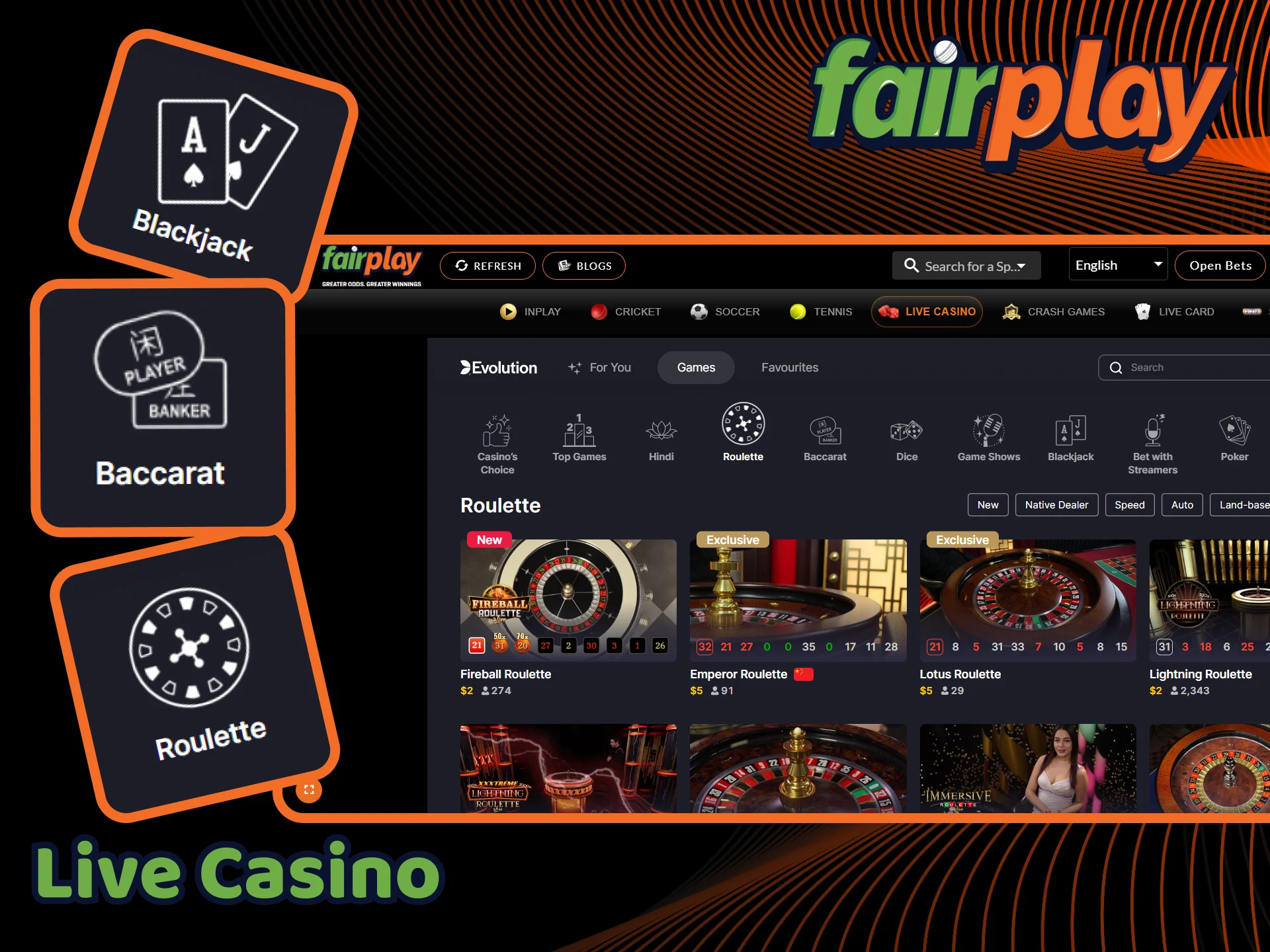
Das Universum der Online Casinos ist voller Geschichten. Jene von Jackpot-Gewinnern ziehen uns in den Bann ganz besonders. Bei Fairplay Casino erleben wir immer wieder, wie Spieler aus Deutschland den Erfolg suchen und ihre Träume verwirklichen. Diese Erfolge sind keine Laune. Sie stammen aus einer transparenten und ehrlichen Spielumgebung und einer sorgfältig ausgewählten Auswahl an Top-Slots. Dieser Text beleuchtet die Hintergründe der großen Gewinne. Wir erläutern, welche Automaten für deutsche Spieler besonders einträglich sind und mit welchen Schritten Sie Ihre eigene Chance auf den großen Coup optimieren können.
Die beeindruckende Welt der Wachsenden Jackpots
Ansteigende Jackpots zählen als die Elite der Casinospiele. Bei Fairplay Casino erfreuen sie sich großer Beliebtheit. Unterschiedlich zu festen Jackpots wächst der Top-Preis hier mit jeder Wette, den irgendein Spieler weltweit tätigt. Das dauert so lange, bis ein Glücklicher den gesamten Topf ausräumt. Diese verbundene Spannung schafft eine spezielle Dynamik. Unsere Daten belegen regelmäßig, dass Spiele wie “Mega Moolah”, “Divine Fortune” oder “Hall of Gods” Rekordsummen vergeben. Für Spieler aus Deutschland ist ein Verständnis der Mechanik entscheidend. Die Chance zu gewinnen ist klein. Der eventuelle Ertrag kann ein Leben verändern. Spielen Sie nur mit Geld, auf das Sie nicht angewiesen sind. Wählen Sie Ihre Einsätze so, dass Sie genügend lange im Spiel bleiben für den einen entscheidenden Dreh.
Vernetzte Jackpots vs. Standalone-Jackpots
Ein wichtiger Unterschied findet sich zwischen Netzwerk- und Standalone-Jackpots. Netzwerk-Jackpots wie der legendäre “Mega Moolah” sind über viele Casinos hinweg verbunden. Tausende Spieler speisen den Topf, der dadurch rasant wächst und oft Millionen erreicht. Daher kommen die spektakulären Schlagzeilen. Standalone-Jackpots sind hingegen an ein bestimmtes Spiel in einem Casino geknüpft. Sie kommen vor seltener, werden aber statistisch regelmäßiger geknackt, weil der Kreis der Mitspieler limitiert ist. Fairplay Casino bietet beide Varianten an. So können Sie abhängig von Ihrer Risikobereitschaft und Vorliebe wählen.
Die regulierte und vertrauenswürdige Seite des Jackpot-Gewinns in der Bundesrepublik
Deutsche Spieler zählt nicht nur der Gewinn. Die vertrauenswürdige und legale Abwicklung ist ebenso wichtig. Fairplay Casino arbeitet unter einer offiziellen internationalen Lizenz. Sie stellt sicher, dass alle Transaktionen und Spielergebnisse höchsten Anforderungen genügen. Ein großer Jackpot-Gewinn löst ein festes Verfahren aus. Zuerst prüft unser System den Gewinn automatisch. Dann kontaktiert Sie unser Support. Wir erörtern die Auszahlung und führen die notwendigen Identitätsprüfungen nach den Geldwäscherichtlinien durch. Diese Schritte sind üblich und dienen Ihrer Sicherheit. Die Auszahlung wird auf Ihr geprüftes Konto überwiesen. Wir schlagen größeren Gewinnern vor, einen Steuerberater zu konsultieren. Die steuerliche Situation kann im Einzelfall unterschiedlich sein.
Verantwortungsbewusstes Spielen als Basis
Keine Gewinnstrategie ist komplett ohne den Punkt verantwortungsvolles Spielen. Die Hoffnung auf einen Jackpot sollte niemals ein Grund sein, über die eigenen Verhältnisse zu spielen. Bei Fairplay Casino stehen deutschen Spielern umfangreiche Tools, um ihr Spielverhalten zu steuern. Dazu gehören Einzahlungslimits, Session-Zeitlimits, Reality-Checks und die Option einer Selbstsperre. Ein Jackpot-Gewinn ist ein tolles Ereignis. Das primäre Ziel sollte aber immer die Unterhaltung bleiben. Wir sehen, dass Spieler mit dieser Einstellung und einem klaren Budget nicht nur länger Spaß haben. Sie agieren gelassener und häufig auch konzentrierter.
Echte Gewinn-Geschichten deutscher Spieler
Zuerst die authentischen Geschichten bringen die Theorie der Jackpots ins Spiel. In der Unterhaltung mit Glückspilzen aus Deutschland zeigten sich Muster. Ein sich wiederholendes Element ist Ausdauer. Viele schildern von regelmäßigem, aber kontrolliertem Spielen – oft mit einem bestimmten Monatsbudget. Ein Gewinner aus Hamburg berichtete, wie er stets den gleichen Slot, “Book of Dead”, nutzte. Eines Abends knackte er mit einem geringen Einsatz den ansteigenden Mini-Jackpot. Aus München kommt die Geschichte einer Spielerin, die bei “Gonzo’s Quest Megaways” in einer Bonusrunde den ausschlaggebenden Multiplikator erwischte. Diese Exempel belegen: Der Max-Einsatz ist nicht grundsätzlich nötig. Gelassenheit, die Wahl eines vertrauenswürdigen Casinos wie Fairplay und das Bewusstsein, wann man eine Pause benötigt, sind oft bedeutender.
Der “Überraschungs-Gewinner” aus Berlin:
Der “Strategische” aus Köln:
Jene “Community-Spielerin” aus Frankfurt:
So können Sie Ihre Chancen bei Fairplay steigern können
Ein Jackpot-Gewinn hängt vom Glück ab. Dennoch können Sie mit durchdachten Strategien Ihre Möglichkeiten verbessern und Ihr Spielerlebnis optimieren. Der entscheidende erste Schritt ist die Entscheidung des richtigen Casinos. Fairplay Casino bietet deutschen Spielern eine konzessionierte und sichere Plattform. Alle Spiele sind fair getestet, Gewinne werden zuverlässig ausgezahlt. Informieren Sie sich als Nächstes mit den Regeln der Jackpot-Slots geläufig. Häufig gilt nur der Max-Einsatz für den Hauptjackpot. Zudem ist ein durchdachtes Bankroll-Management von großer Bedeutung. Legen Sie sich eindeutige Limits. Spielen Sie nie mit Geld, das für wichtige Ausgaben gedacht ist.
Informieren Sie sich intensiv:
Verwenden Sie Demo-Versionen:
Bauen Sie auf Vielfalt und Qualität:
Bleiben Sie über Promotionen auf dem Laufenden:
Fragen und Antworten
Wie groß sind die durchschnittlichen Jackpot-Auszahlungen bei Fairplay Casino an deutsche Spieler?
Die Summe der Auszahlungen unterscheidet sich erheblich je nach Spiel und Jackpot-Typ. Tag für Tag starten viele niedrigere, vierstellige Jackpots bei Slots wie “Fire Joker” oder “Jackpot Raiders” an den Start. In den zurückliegenden Monaten kam es aber auch mehrere im sechsstelligen Bereich liegende Auszahlungen an deutsche Spieler aus ansteigenden Netzwerken wie “Mega Moolah”. Im Schnitt bewegen sich die Auszahlungen im mittelfristigen im fünfstelligen Bereich liegenden Bereich. Das belegt die Güte und das Gewinnmöglichkeit unseres Angebots an Spielen.
Bin ich verpflichtet in Deutschland Steuerzahlungen auf meinen Casino Jackpot-Gewinn entrichten?
Nach hiesigem Recht unterliegen Glücksspielgewinne prinzipiell nicht der Einkommensteuer https://fairplay-casino.online/de-de/. Sie zählen als “sonstige Einkünfte”. Das betrifft Gewinne aus behördlich lizenzierten Angeboten. Da Fairplay Casino unter einer grenzüberschreitenden Lizenz tätig ist, sollte unbedingt die steuerliche Lage im individuellen Fall geprüft werden. Bei einem bedeutenderen Gewinn raten wir nachdrücklich, einen Steuerberater zu konsultieren. So bekommen Sie juristische Sicherheit und besprechen Ihre individuelle Situation.
Welche Zeit dauert die Auszahlung eines bedeutenden Jackpot-Gewinns bei Fairplay Casino?
Der Zeitraum hängt von der Höhe des Gewinns und der Dauer der Verifizierung ab. Niedrigere Jackpots werden häufig binnen weniger Stunden gutgeschrieben. Bei bahnbrechenden Summen durchläuft die Auszahlung einen mehrstufigen Sicherheitsprozess mit Identitätsprüfung. Das kann mehrere Werktage dauern. Unser Support-Team unterstützt Sie persönlich und klärt Sie offen über jeden Schritt.
Gibt es spezielle Jackpot-Slots, die bei deutschen Spielern besonders beliebt sind?
Ja, unsere Daten zeigen eindeutige Vorlieben. Die “Book of…”-Reihe, Spiele mit Ägypten-Thema und die traditionellen NetEnt-Progressiv-Jackpots wie “Mega Fortune” sind sehr beliebt. Auch Slots mit ansprechenden Bonus-Features und durchschnittlicher Volatilität, die beständigere Gewinne liefern, absolvieren hervorragend ab. Fairplay Casino richtet sein Angebot gezielt nach diesen regionalen Präferenzen aus.
Kann ich auch mit kleinen Einsätzen einen progressiven Jackpot gewinnen?
Technisch gesehen ja. In der Praxis müssen Sie die Regeln beachten. Bei den meisten progressiven Jackpots ist der Max-Einsatz Bedingung für den Haupt-Jackpot. Spielen Sie darunter, vermögen Sie alle anderen Preise und mitunter geringere Jackpots gewinnen, aber nicht den Top-Preis. Unser Rat: Verteilen Sie Ihr Budget so ein, dass Sie bei einem progressiven Slot ab und zu den Max-Einsatz setzen können.
Welche Sicherheitsmaßnahmen sichern mich vor Täuschung bei Jackpot-Auszahlungen?
Fairplay Casino schützt auf zahlreichen Ebenen. Lizenzierte Zufallszahlengeneratoren garantieren faire Spielergebnisse. Alle Gewinnsummen werden automatisch erfasst und sind unveränderbar. Die strenge Identitätsprüfung sichert vor Diebstahl und stellt sicher, dass nur der Kontoinhaber den Gewinnbetrag bekommt. Unsere verschlüsselten Zahlungswege liefern zusätzliche Absicherung für Ihre finanziellen Daten.
https://colegiodelcaribe.com/wp-content/uploads/2024/01/logo-300x281.png00camarahttps://colegiodelcaribe.com/wp-content/uploads/2024/01/logo-300x281.pngcamara2026-07-31 03:07:412026-07-31 03:07:41Großgewinner bei Fairplay Casino aus Deutschland